CHILDREN in several remote hamlets in Gilireng District, Wajo Regency, South Sulawesi Province can already read and study even at night, after the introduction of electric lighting from solar energy.
Even though only 153 households can be lit with a total power of 7.65 Kwp, at least the CSR program from Energy Equity Epic Sengkang (EEES), which has been carried out since 2011, has become a driving force for the Wajo Regency government to develop similar things for remote areas that have not been able to touched by PT. PLN.

Several areas around the EEES location carried out natural gas exploitation operations in Gilireng District, Wajo Regency, South Sulawesi, which are remote locations, including the areas of Mamminasae, Lamata, Arajang and Alausalo Villages. Based on PLN information, there are several hamlets in these villages where it is not yet possible to install electricity because they are very remote, far away, and the number of households is small and they are scattered around the gardens they work on. This condition makes it a challenge for stakeholders to provide electricity to these villages, including EEES.
The two villages along with other villages in Gilireng District are remote areas with people’s houses located far from each other. The livelihoods of the population are generally farmers and cultivators with meager incomes. While school-age children are generally unable to do activities at night. Learning activities are limited during the day.
Considering these conditions, EEES developed a CSR program that was in line with BP MIGAS’ program at that time (now SKK Migas), namely “Green & Bright”, one of which was in the form of a program to provide lighting for the villages closest to the company.
Apart from getting information from PLN about the inaccessibility of providing electricity to the villages around the EEES, the presence of electric lights at night is something that the community really misses. This was revealed in CSR program discussion meetings with community leaders and the local village government.
As a pilot project, the procurement and installation of 28 units of solar electricity will be installed in homes that need it in Lowae Hamlet, Mamminase Village. The installation of solar power was followed by socialization activities on how to care for and maintain solar cells so that they can be used optimally. This program was successfully accepted by the people of Lowae Hamlet in 2011 and was later replicated in the villages of Alausalo, Lamata and Arajang in stages.
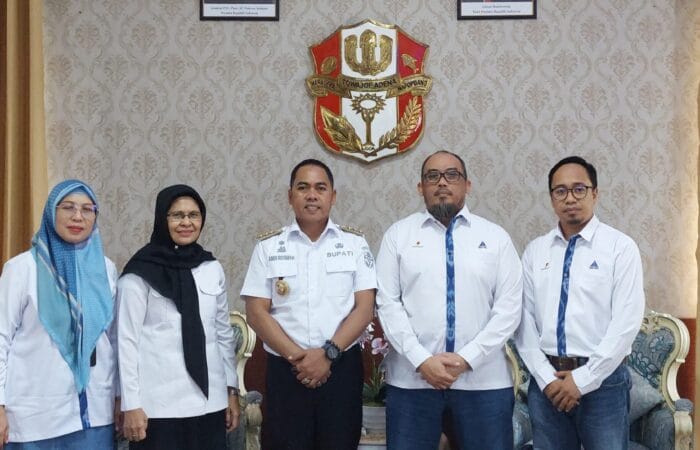
Electricity that comes from renewable energy is valued by both residents and the local government. As a form of appreciation from the Wajo Regency government, Deputy Regent HM Salam Yahya had the opportunity to visit the solar cell installation location accompanied by representatives from BP MIGAS on 22 February 2012.

Not only as a mere means of lighting at night, but the existence of solar electricity is also able to support several sectors of the livelihood of people in remote areas, including improving the social quality of the community. Residents can carry out activities at night such as having dinner together and social activities with neighbors.
Other social events which previously could only use limited lighting with oil lamps, are now organized better with electric lights. Good lighting at night can support children to study and do schoolwork longer and better, so it also has a positive impact on education.
Solar electricity has also been used to charge cell phones so that residents can enjoy wireless communication properly. This means of communication can help residents access commodity price information or conduct business dealings with outsiders.
With the availability of communication access, residents’ affairs can be carried out more easily, they do not have to travel long distances with very limited transportation. Besides that, it provides access to economic improvement. With sufficient lighting, residents can carry out economic activities at night such as taking care of livestock, processing agricultural products, household crafts and so on.
The lesson learned is that in developing CSR programs, it is very important to pay attention to the needs and affordability of the community. By conducting an initial study, it is possible to determine the right and beneficial program for the community and the surrounding environment.
The continuity of the availability of electricity in these remote areas is very important, therefore the company also conducts training for the maintenance and repair of solar panels. That way residents can carry out simple maintenance and repairs without having to wait for a technician who takes a relatively long time to access the location. (*)